
Understanding the
Nine Dimensions of Self
What does it mean for a human being to be really seen, witnessed, heard and co-regulated with?
We are built for connection but for many of us, that biological driver (which was what kept us safe in communities where connection was a matter of life and death) can be overridden by modern life.
And even when we find our way to therapy we may be working with someone whose work focuses more on talking and understanding the stories we tell about ourselves. This single-focus way working often expects the client to fit that particular model of psychotherapy, and whilst it can offer helpful insights and perspectives, it may not always see the whole picture.
Of course, all modalities bring something important to the field of psychotherapy and many have played a key role in the evolution of psychotherapeutic work, but unlike the Pilamaya Centre’s Nine Dimensions framework, they don’t recognise the human being as a multidimensional system in quite the same way that we do.
The Pilamaya Podcast is a series of conversations from The Pilamaya Centre (UK) exploring the new model of Integration Psychotherapy and the lived work of healing. Hosted by Pilamaya founder and integration psychotherapist Shaura Hall and writer–psychotherapist Susan Clark, this podcast is for anyone drawn to Integration Psychotherapy and consciousness work — whether you’re considering training, seeking therapy, or simply curious about the journey back to yourself. You’ll love this behind scenes exploration of good therapy and why it works to change lives and bring us back to ourselves.
In our third episode, we take a deep dive into The Nine Dimensions which is the unique psychotherapeutic and multidimensional framework that underpins the Pilamaya Centre’s Integration Psychotherapy (IP) training programme and further CPD offerings for therapists.
Instead of asking the client to conform to a fixed theory of mind, this practice is not defined by any single modality, but instead draws from the wisdom and experience of the world's oldest known sciences, Indigenous knowledge systems and yogic science, while also integrating the insights of modern psychology, philosophy and psychotherapy.
We learn this is a transpersonal approach — understanding the human being as a multidimensional system where body, mind, subconscious programming, ancestral burdens, environment and spirit all contribute to the lived experience of the person in front of us.
And what this multidimensional view means in practice is that IP therapists can meet their clients where they are — working with talk, movement, breath, art and ancestral or spiritual processes as needed.
Shaura talks about how the Nine Dimensions framework found its way to her and Susan recalls a Nine Dimensions training delivered through the lens of constellation work with each participant representing a different dimension as part of the constellation to help a client better see where they are stuck, what can be let go of and what lies waiting for them the other side of their therapeutic explorations.
Here's a quick at-a-glance guide to each dimension but for that deeper dive, listen to the episode and don’t miss the Pilamaya Podcast free newsletter (subscriber link below) which this month (March 2026) will offer a Nine Dimensions Yoga Nidra practice
D1
Body (Embodiment, Genetic and Ancestral Memory)
D2
Environment (Attachment, Socio-Economic Influences)
D3
Conscious Mind (Thoughts, Identity Formation, Reasoning)
D4
Subconscious Mind (Conditioning, Early Life Programming)
D5
Unconscious Mind (Archetypes, Collective Unconscious)
D6
Energy (Energy Fields, Chakras, Breath, Somatic Energy)
D7
Innate Wisdom (Morphogenetic Fields, Light Information)
D8
Being-ness (Transpersonal States, Non-Duality)
D9
Unity (Cosmic Consciousness, Self-Realisation)
Subscribe to the free Pilamaya Podcast monthly newsletter for show notes that accompany each episode:
https://pilamaya-podcast.beehiiv.com/
Find out more:
The Pilamaya Centre: https://thepcip.org/
Contact the Hosts:
shaura@thepcip.org
susan@thepcip.org
Production credit
Sound Engineer: Tom Fox at Moorcroft Studios
Original artwork credit
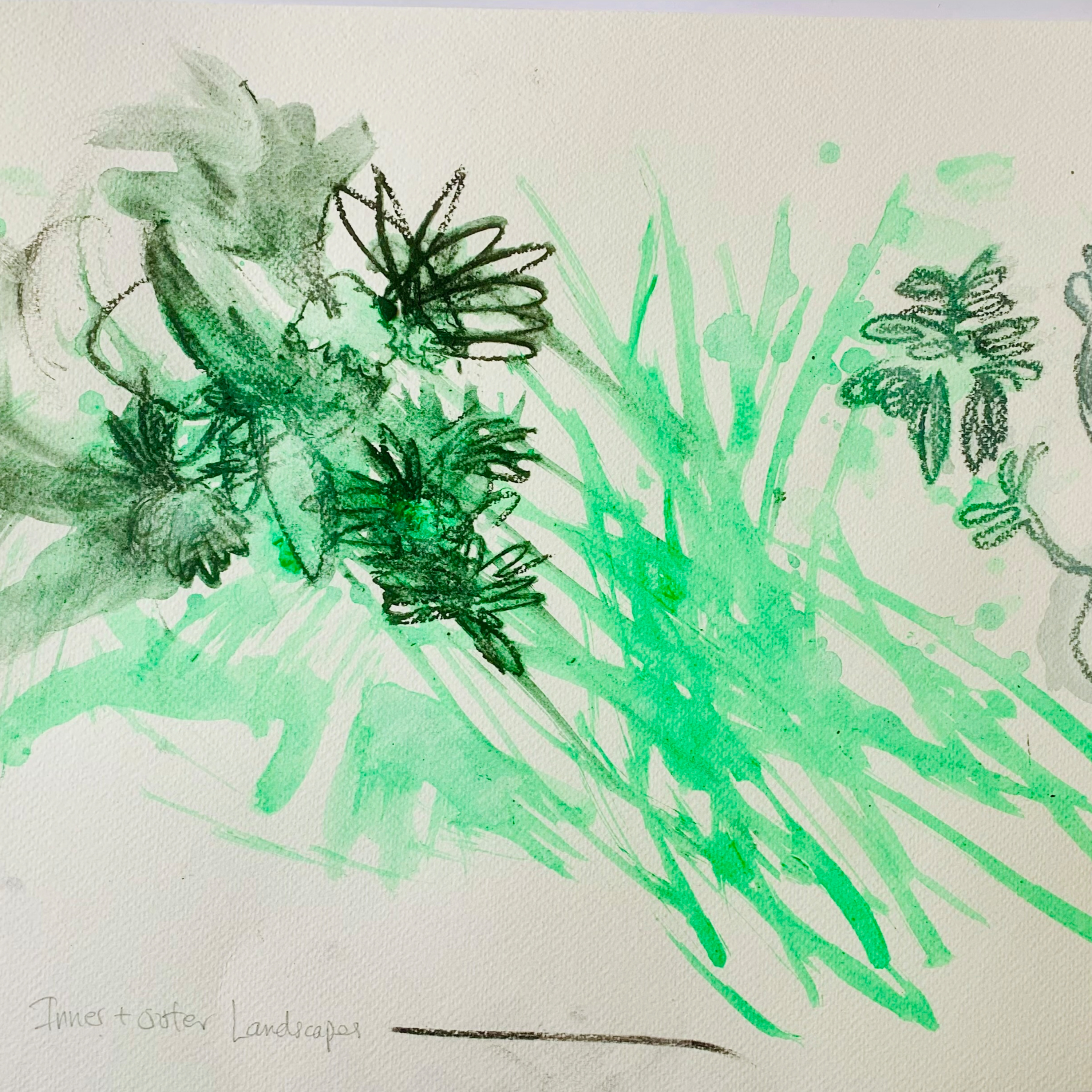
The original artwork for the Pilamaya Podcast is by multi media artist & healer Hilary Calverley.
Inner & Outer Landscapes
(Charcoal, acrylic paint & water soluble oil pastels on watercolour paper.)
Instagram: hilary_calverley_
Multi media artist & Healer hilarycalverley@gmail.com